What a 30-Point HVAC Tune-Up Checks, and What the Advantage Plan Covers
Nine of the inspection points are spelled out publicly, and most of them are things you would never think to check yourself.
October 20, 2026 · 4 min read
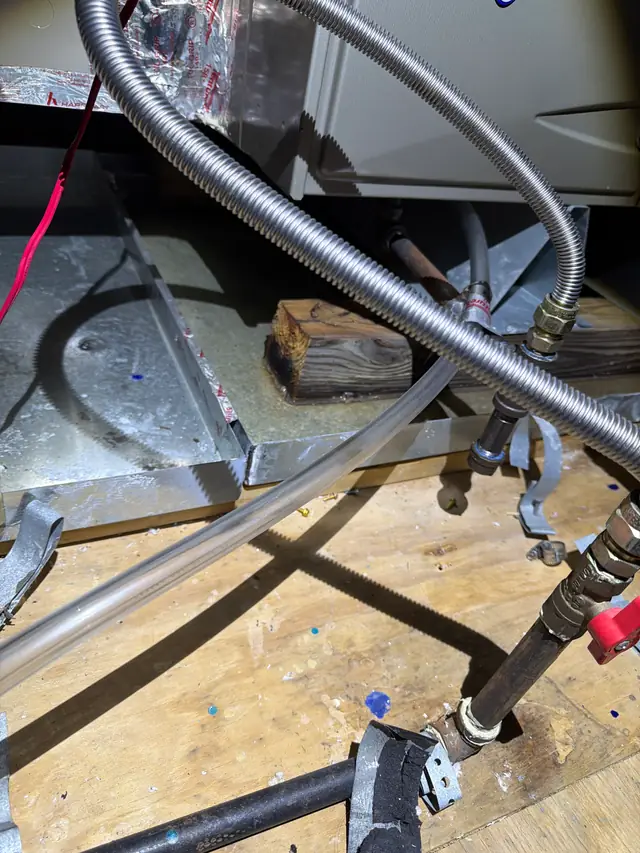
Ask Red Star Cooling and Heating what causes most of its emergency calls and the answer is not a heat wave or a freak failure. In the company's own words, improper maintenance is its number one reason for emergency calls. A tune-up can sound like a formality until you see what it actually looks at, and how many small things it catches before they turn into a no-cool call on the hottest day of the year.
Nine points Red Star names publicly
Red Star's tune-ups are 30-point inspections: one for the AC in spring and summer, and one for heating in fall and winter. Nine of the points are spelled out on the company's plan page.
- Inside cooling coil
- Primary and secondary drains
- Outdoor condenser coil cleanliness
- Operating pressures for proper refrigerant charge
- Blower component adjustment
- AC cycle monitoring
- Voltage and amp draw on all motors
- Loose electrical connections
- Thermostat operation
Why those points matter
Each of these items degrades quietly. A dirty coil, indoors or out, makes the system work harder to move the same amount of heat. A drain line clogs slowly enough that nobody notices until water backs up. Operating pressures tell a technician whether the refrigerant charge is right, which is not something you can judge by how cold the air feels. Voltage and amp draw on the motors show a part that is straining before it fails, and a loose electrical connection can run fine for months before it does not.
None of this announces itself the way a system that will not turn on does. That is the argument for checking on a schedule instead of waiting for a symptom. Red Star's FAQ puts it the same way: a proper inspection can uncover leaks, rust, rot, soot, frayed wires, and corroded electrical contacts that the naked eye may not notice.
How often equipment needs attention
According to Red Star's FAQ, heat pumps and AC equipment need maintenance once a year, while gas-fired equipment needs it about every other year. Many Houston-area homes run both kinds of equipment, with cooling that works hard for most of the year and heating that only runs occasionally. A twice-a-year plan puts a visit ahead of each season, so the system gets looked at before it is asked to carry the load.
What the Red Star Advantage plan includes
Red Star's Bi-Annual Maintenance Plan features two annual tune-ups. The published price is $200 if paid in full, or $15 per month for the first system and $10 per month for each additional system. Members get the following.
- Two pre-paid annual tune-ups, one for AC and one for heating
- Up to 10% off parts and labor
- Priority scheduling for standard and emergency service
- Extended warranties on parts and labor
- Automatic scheduling, so Red Star tracks your tune-up dates and contacts you
What a member does not have to remember
The automatic scheduling matters more than it sounds. Most people intend to service their equipment and then forget, because nothing is visibly wrong. When the company tracks the dates and reaches out, the tune-up happens whether or not it is on your calendar. Add the priority scheduling, which Red Star describes as front-of-the-line service for both standard and emergency calls, and a member's system is looked after on a predictable rhythm instead of in a panic.
A diagnosis that did not go along with the guess
One Google reviewer, Ionie, wrote about technician Sebastian. She had told him what she had been told the problem was. He came out, diagnosed it, and said it was something else. To put her at ease, he offered to bring parts for both possibilities, install what he believed it was, and swap in her suggestion if his did not fix it. She wrote that it was what he said it was, and that she was "grateful for his honesty." A checklist is only as good as the technician reading the gauges, and that is the point of measuring voltage, pressure, and connections rather than guessing from the complaint.
The same idea at commercial scale
Red Star applies the same preventative approach to commercial properties, including schools, hospitals, office buildings, shopping malls, factories, hotels, and restaurants. Commercial maintenance covers heating and cooling tests, refrigerant level checks, cleaning and inspection of all heating and AC equipment, and duct inspection, with a 24/7 technician on call. The scale is different, but the principle holds: catch the problem on a schedule, not during business hours.
Do not wait for the symptom
Red Star's emergency repair page lists outdated AC units, running the AC all day and night, and improper maintenance as the common causes of emergency calls. Of the three, maintenance is the one a homeowner fully controls. If you are already paying for repairs more than once a year, the 50% rule of thumb applies as well: when repair costs approach 50% of the system's original value, you are generally better off financially upgrading.
Red Star Cooling and Heating is BBB accredited with an A+ rating, a Carrier Factory Authorized Dealer, and holds a 4.9-star rating from 856 Google reviews. It has served Spring, The Woodlands, Conroe, and Cypress since 2006. Call (281) 651-7827 to get on the schedule before one of those nine points turns into an emergency call.
Red Star Cooling & Heating, (281) 651-7827
Call (281) 651-7827More articles
What Your AC's SEER2 Rating Means, and Why Your Quote Looks Different
The rating on the box measures one piece of your system. The number that matters is the whole system, installed in your house.
Choosing a Furnace or Heat Pump for a Spring, TX Home
A furnace that only runs a few months a year is easy to forget, until the one cold night it does not turn on.